An engineering and procurement analysis to help site supervisors choose the optimal material handling capacity for maximizing ROI and workplace safety.
In the demanding sectors of industrial manufacturing, lumber processing, and cross-border logistics, selecting the correct material handling equipment dictates overall facility output. For procurement managers, deciding between a 2.5-ton and a 3-ton capacity machine often seems like a minor dilemma. However, from an engineering perspective, that 500kg (approx. 1,100 lbs) variance represents a fundamental shift in chassis architecture, residual capacity limits, and long-term Total Cost of Ownership (TCO).
Choosing the wrong capacity leads to accelerated mechanical wear, severe safety hazards, and compromised fuel efficiency. This comprehensive technical guide dissects the structural differences between these two cornerstone machines, providing global distributors with the data necessary to specify the correct heavy-duty diesel forklifts for their operational reality.
1. Decoding Residual Capacity and Load Centers
To accurately compare a 2.5-ton and a 3-ton forklift, one must understand the physics of the “load center”—typically standard at 500mm from the fork face. As a load becomes longer or irregularly shaped, the forklift’s actual lifting capability (residual capacity) decreases significantly. This is where the engineering differences between the two capacities become critical.
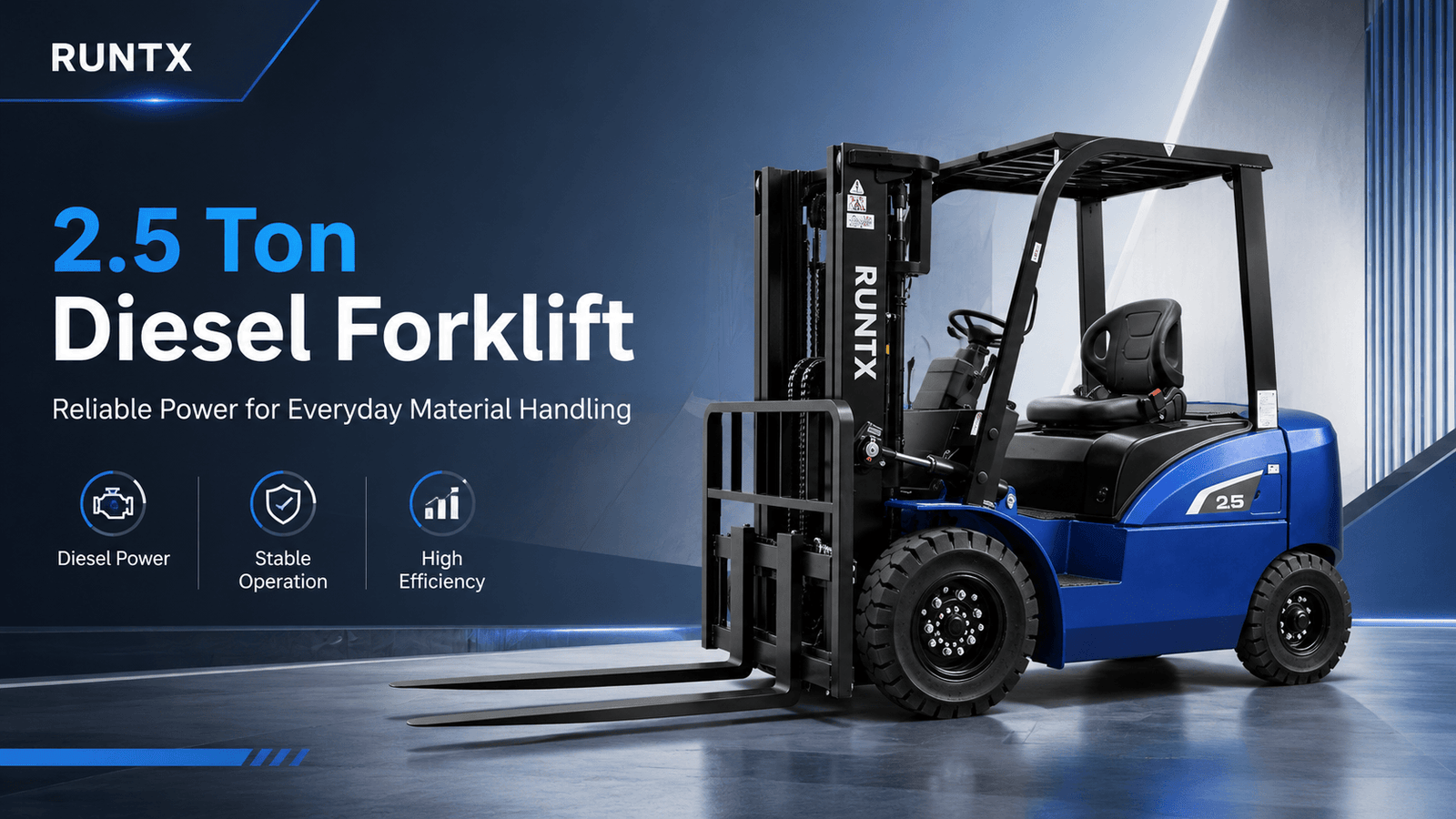
The 2.5 Ton Diesel Forklift: Agility in High-Density Environments
The 2.5 Ton Diesel Forklift is universally recognized for its optimal balance of power and agility. Engineered with a slightly shorter wheelbase and a more compact counterweight, this model offers a superior turning radius. It is the ultimate solution for high-density block stacking, cross-docking operations, and facilities where aisle width is strictly limited. The hydraulic system is calibrated for rapid lift and lower cycles, accelerating pallet throughput in fast-paced logistics hubs.
-1.webp)
The 3 Ton Diesel Forklift: Unyielding Power for Attachments
The 3 Ton Diesel Forklift features a reinforced chassis and a heavier cast-iron counterweight. This additional structural mass is not just for lifting heavier pallets; it provides a crucial safety margin when utilizing heavy hydraulic attachments. Accessories like side shifters, paper roll clamps, or brick rotators add substantial weight to the carriage, immediately degrading the machine’s residual capacity. If your operation requires handling 2.5-ton loads while using a 300kg attachment, upgrading to a 3-ton base chassis is an absolute engineering necessity to prevent mast deflection and front-axle overloading.
2. Data-Backed Powertrain Efficiency and Emissions
Modern B2B fleets require internal combustion engines that deliver maximum low-end torque without sacrificing fuel economy. Whether specifying a 2.5-ton or 3-ton model, the integration of advanced load-sensing hydraulic steering systems is paramount. These systems dynamically adjust fluid flow based on steering demand, preventing the engine from over-revving during stationary lifting.
*Data Source: According to efficiency studies by the U.S. Department of Energy (DOE) regarding industrial fluid power, replacing fixed-displacement pumps with advanced load-sensing hydraulic systems can reduce overall fuel consumption by up to 15% during standard duty cycles.
Furthermore, as international environmental regulations tighten, exporting to premium markets mandates advanced emission controls. High-quality diesel forklifts are now equipped with Common Rail Direct Injection (CRDI) engines paired with Diesel Oxidation Catalysts (DOC).
*Data Source: Based on the Environmental Protection Agency (EPA) Tier 4 Final and Euro Stage V nonroad emission standards, these advanced powertrains mandate a reduction in Particulate Matter (PM) and Nitrogen Oxides (NOx) by over 90% compared to legacy Tier 3 industrial engines.

3. Structural Validation and the RUNTX OEM Advantage
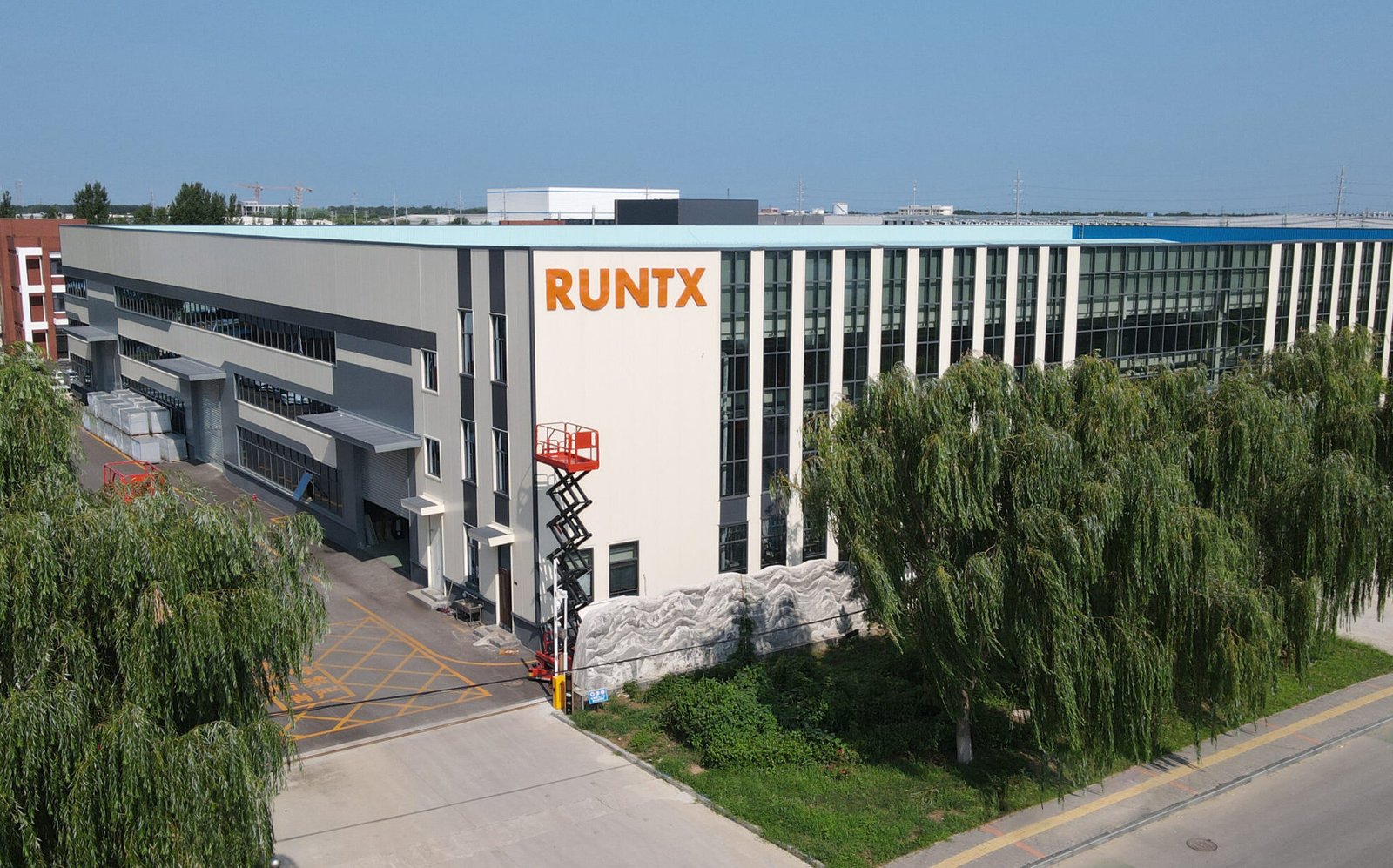
A spec sheet provides theoretical limits, but real-world industrial environments demand physical proof of durability. As a premier source factory in China, RUNTX Machinery applies the same uncompromising metallurgy and structural engineering across both our 2.5-ton and 3-ton models. Our wide-view masts utilize high-tensile, cold-rolled steel channels to eliminate lateral sway.
Most importantly, our pre-delivery inspection (PDI) protocols prioritize absolute safety over mere compliance. Before export, we subject our equipment to rigorous physical uphill stability and braking tests on specialized inclines. This guarantees that the planetary drive axle, the hydraulic braking system, and the vehicle’s center of gravity perform flawlessly under severe gradient stress.
*Data Source: The strict adherence to ISO 3691-1 (Industrial trucks — Safety requirements) dictates precise braking distances and longitudinal stability parameters on gradients, effectively preventing catastrophic tip-overs and ensuring immediate stopping power on ramps.
4. Exploring Zero-Emission Electric Alternatives
While diesel provides unmatched continuous outdoor power, indoor warehousing environments strictly prohibit exhaust emissions and require drastically lower noise levels. RUNTX Machinery provides identical lifting capacities engineered entirely around advanced lithium-ion or high-capacity lead-acid power delivery.
For pristine indoor logistics, cold storage, or food-grade manufacturing, procurement teams can seamlessly pivot to our electric lineup. The 2-ton 4-wheel electric forklift provides exceptional agility in tight racking systems, while the heavier 3-ton 4-wheel electric forklift delivers the robust stability required for heavy indoor manufacturing, offering a 1-to-1 operational replacement for their diesel counterparts with zero localized emissions.
Technical Comparison Table: 2.5 Ton vs. 3 Ton Diesel
| Engineering Specification | 2.5 Ton Diesel Forklift (CPCD25) | 3 Ton Diesel Forklift (CPCD30) |
|---|---|---|
| Rated Capacity at 500mm LC | 2,500 kg (Approx. 5,500 lbs) | 3,000 kg (Approx. 6,600 lbs) |
| Chassis Architecture | Compact wheelbase, high maneuverability | Reinforced frame, heavier counterweight |
| Turning Radius (Outer) | Approx. 2,240 mm (Highly Agile) | Approx. 2,400 mm (Requires slightly wider aisles) |
| Attachment Suitability | Ideal for standard forks or light attachments | Engineered for heavy rotators and side shifters |
| Primary Application | High-density storage, cross-docking, light yards | Heavy manufacturing, lumber, building materials |
Frequently Asked Questions (FAQ)
1. Can a 2.5-ton forklift safely lift 3 tons if done slowly?
Absolutely not. Exceeding the rated capacity bypasses the relief valve settings in the hydraulic system and destabilizes the center of gravity. This strictly violates workplace safety regulations and drastically increases the risk of the forklift tipping forward or shattering the drive axle.
2. Does RUNTX offer OEM/ODM customization for these capacities?
Yes. As a source manufacturer, we provide comprehensive OEM/ODM solutions. Whether you need specialized 3-stage full free lift masts for container entry, bespoke solid tires for scrap yards, or specific fleet branding, our engineering team tailors the equipment to your regional market demands.
3. How do the maintenance costs compare between the two models?
Because they share highly standardized internal combustion engines and hydraulic components, routine preventative maintenance costs are virtually identical. The primary cost differentiator lies in fuel consumption, where the 3-ton model will use marginally more fuel per hour due to its heavier operating weight.
Choosing between a 2.5-ton and 3-ton capacity defines the operational rhythm of your facility. By carefully analyzing load dimensions, attachment requirements, and aisle space, procurement teams can deploy a highly efficient, safety-compliant fleet.
Ready to Configure Your Industrial Fleet?
As a premier OEM/ODM manufacturer, RUNTX Machinery delivers heavily tested, export-ready forklifts tailored to your exact operational demands. Connect with our engineering directors today to capture your project requirements and receive a comprehensive fleet solution.